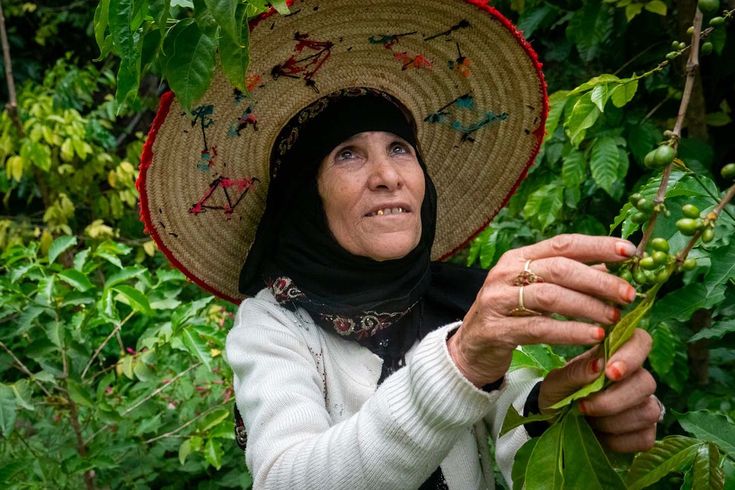
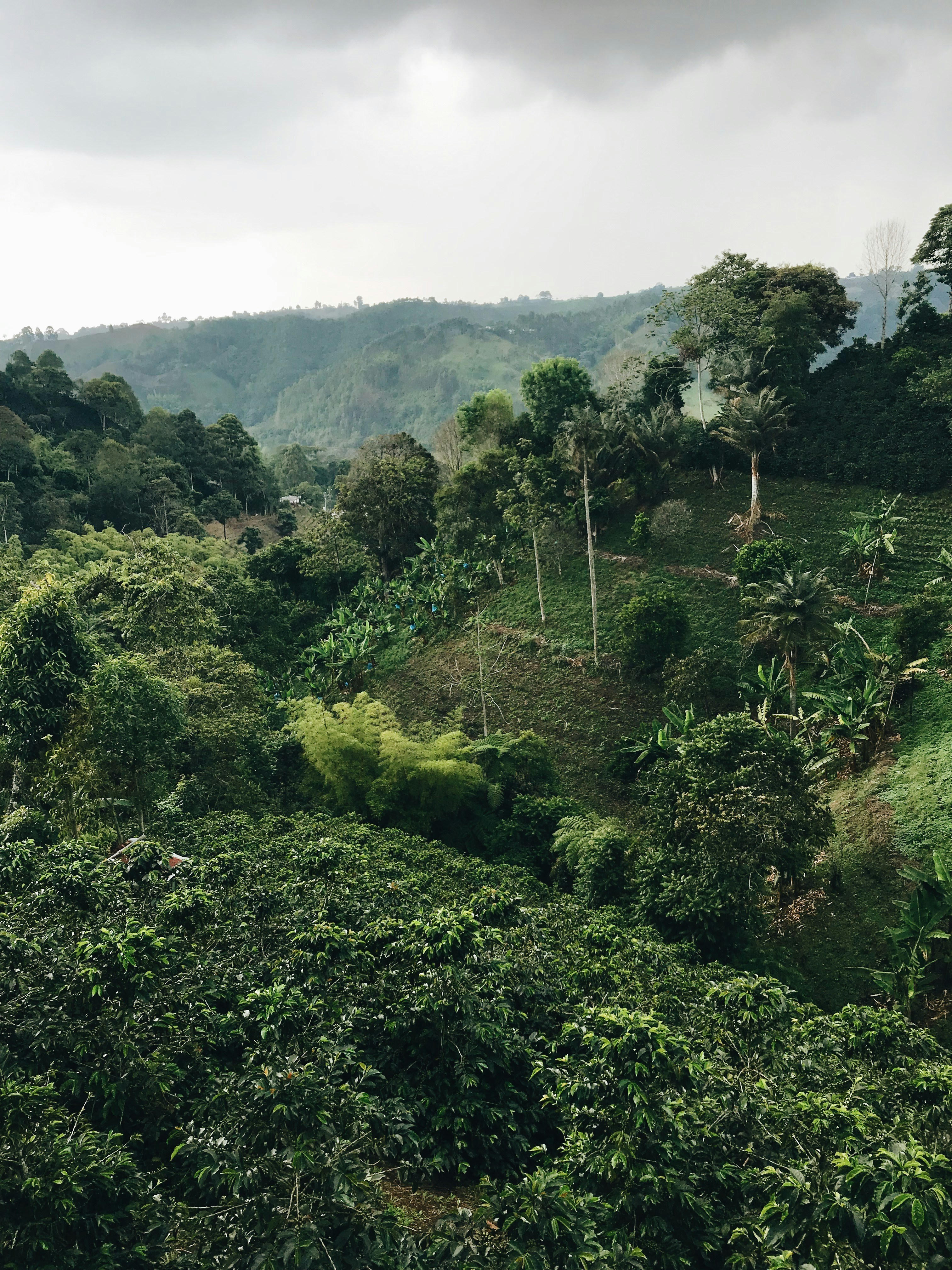
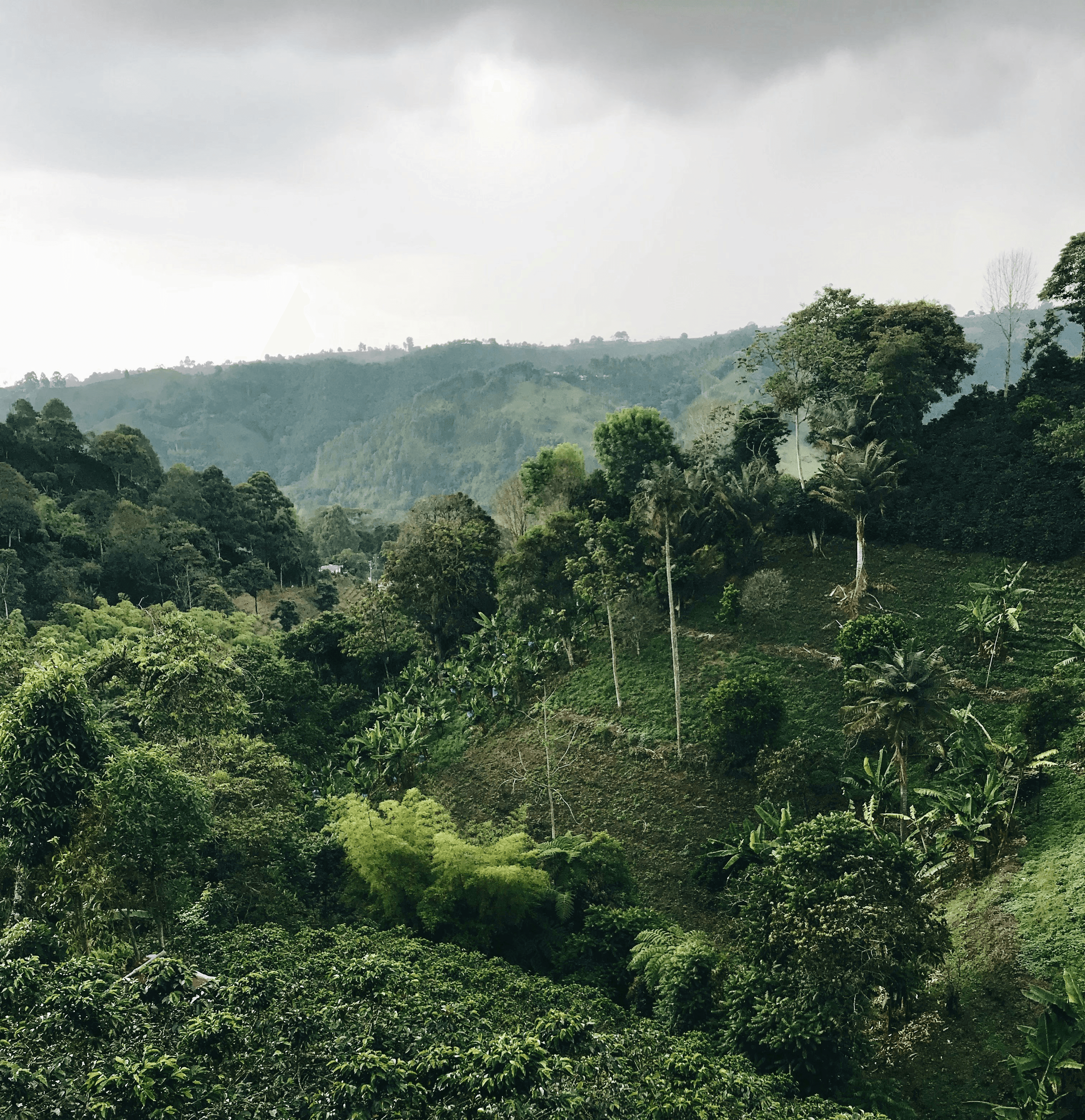
green and red round fruits

Coffee began in Yemen. So did we.

We work with roasters and coffee businesses to secure the right lots, at the right time. Yemeni specialty is our foundation. The world's best origins are our range.

Discover our green beans

Providing you with beans you can trust — to build your own reputable brands

Bridge the gap between origin and craft.

Learn more about us

Your roast is only as good as what we send you.

Inconsistent supply and unclear origins are what hold roasters back — not technique. Every lot we carry is traceable. Every commitment we make, we keep.

Philosophy

Our way starts with humans. Facts.

Coffee today is treated like a flavor, a score, or a routine. We see coffee differently. We see it as a place, a people, a history, and a long chain of human effort.

01

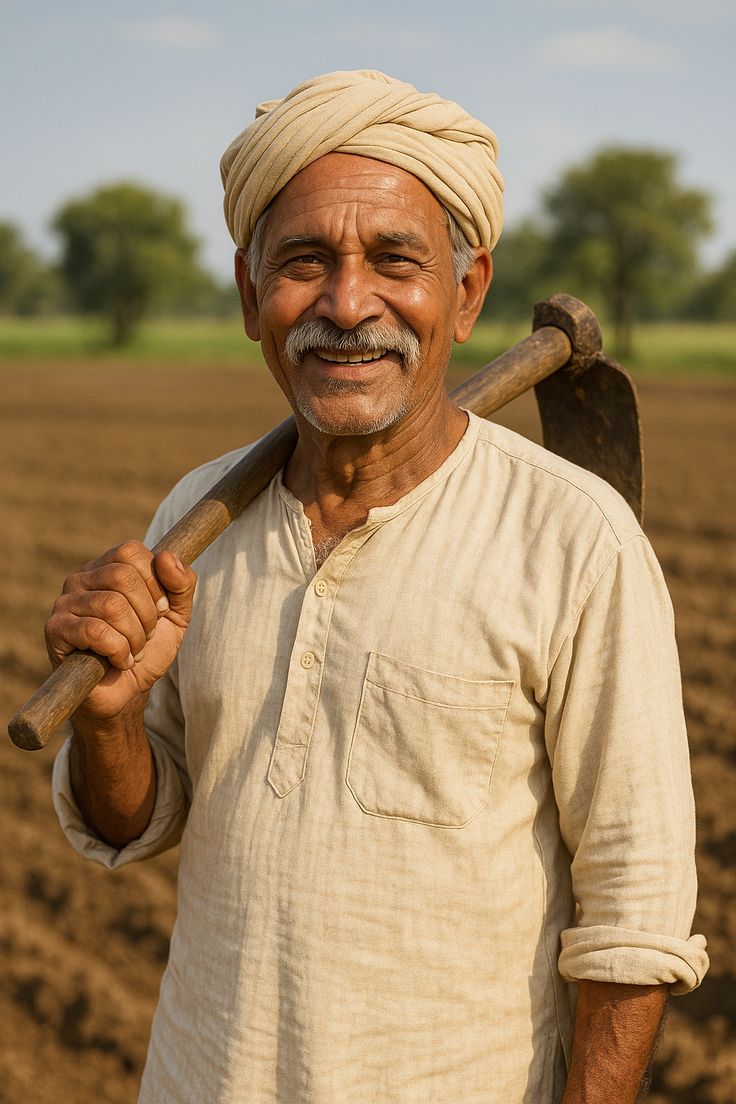
Farmers are not suppliers. They are partners.

Without farmers, there is no origin. Without stability for farmers, there is no future coffee.

Paying fairly, not minimally.

Building continuity, not one-off deals.

01

Farmers are not suppliers. They are partners.

Without farmers, there is no origin. Without stability for farmers, there is no future coffee.

Paying fairly, not minimally.

Building continuity, not one-off deals.

Still have questions?

Feel free to contact us

FAQs

Freqyently Asked Questions

Can I get free simple before order?

Are there minimal order quentity limit?

How long does it take for the shipment to arrive?

Why should I choose Sovd?

Planning your next coffee purchase?

Request a quote, secure allocation, or check current availability with our team.

Planning your next coffee purchase?

Request a quote, secure allocation, or check current availability with our team.

Coming soon

Coffee on the way…

Be the first to know when it comes

  • Salvador, San Antonio

  • Costa Rica, El. B.

  • Ugand

Library

Research, articles, and industry insight

Jan 2026

Artical

Why Is Mocha Associated With Chocolate?

When you order a mocha at a café, you’re usually expecting a rich coffee mixed with chocolate. But originally, the word “mocha” had nothing to do with chocolate at all – it referred to a place. In fact, Mocha (or Al-Mokha) is the name of a historic port city in Yemen, famous centuries ago as a global coffee hub. So how did a Yemeni port’s name become linked to our beloved chocolatey coffee drinks? Let’s dive into the story in a casual sip-sized read.

Mocha: A Yemeni Port with a Coffee History


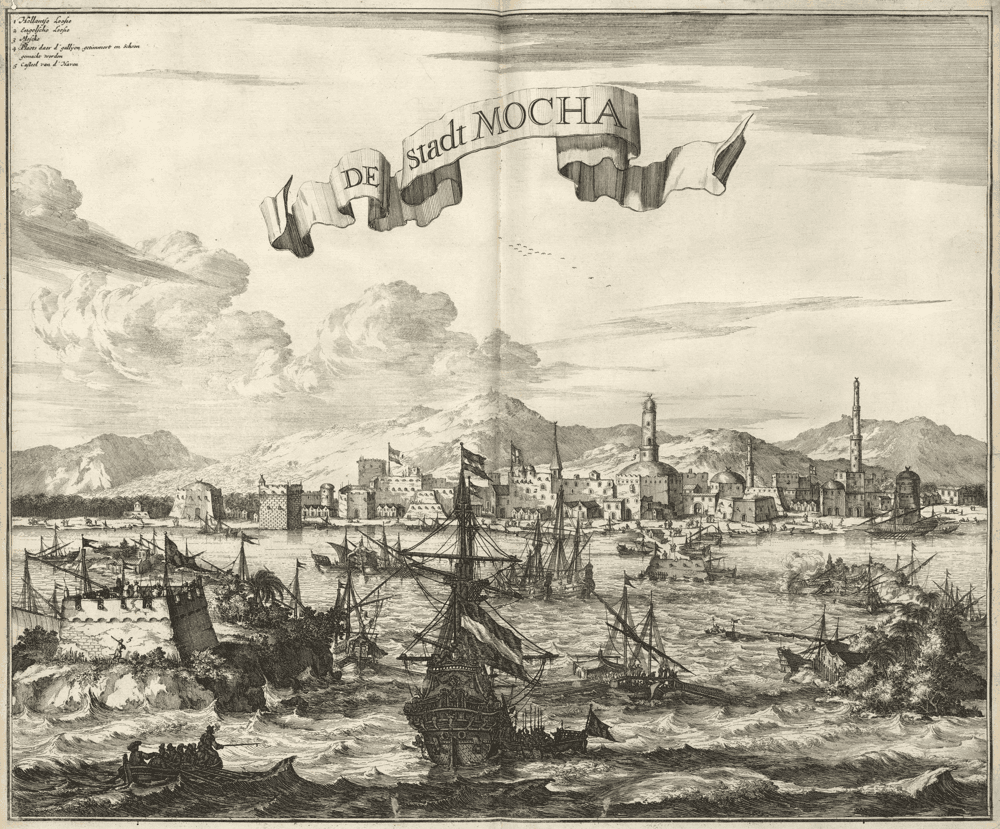
https://commons.wikimedia.org/wiki/File:AMH-6606-KB_View_of_the_city_of_Mocha.jpg

A 17th-century engraving shows European trading ships at the Yemeni port of Mocha, once the world’s primary coffee marketplace. The city of Mocha sits on Yemen’s Red Sea coast and was long synonymous with coffee. It rose to prominence around the 15th–17th centuries as Arabia’s chief coffee-exporting center. Coffee beans from the highlands of Yemen (and even from Ethiopia) were shipped out through Mocha’s harbor to eager markets abroad. In fact, for a time this small port was virtually the only gateway for coffee leaving the Arab world. The beans traded through Mocha were so renowned that Europeans began referring to that variety simply as “mocha” – naming the coffee after the port it came from.

From Coffee Port to Chocolate Drink

By the late 1600s, coffee had made its way to Europe and gained popularity. Europeans sipping the dark, strong coffee from Mocha noticed a flavor resemblance to another exotic import – cocoa. This was the moment mocha first became associated with chocolate. People described the Yemeni beans’ taste as naturally chocolatey, so it was perhaps inevitable that someone would try combining actual chocolate with coffee. Sure enough, European coffeehouses began mixing chocolate into coffee beverages and started calling these concoctions “mochas”. Over time, the term mocha evolved from meaning a type of coffee bean to meaning a coffee-and-chocolate treat. By the early 20th century, recipes for drinks and desserts blending coffee and cocoa were using the name “mocha”. Today, if you order a mocha latte, you’ll get espresso and steamed milk flavored with chocolate – a delicious innovation built on a centuries-old name.

The Chocolatey Taste of Yemeni Coffee

Why did Mocha coffee remind people of chocolate in the first place? The answer lies in the beans themselves. Yemeni coffee has a unique flavor profile thanks to how it’s processed and grown. Traditionally, farmers in Yemen dry their coffee cherries in the sun (a natural process), rather than washing them. This dry-processed method, combined with Yemen’s high-altitude terraced farms, produces beans with intense and complex flavors. A good Yemeni Mocha coffee tends to be full-bodied with a wine-like acidity and notes of dried fruit and spice – think hints of raisins, cinnamon, even tobacco. Most importantly, it often finishes with a deep chocolatey tone. In other words, a cup of authentic Yemeni Mocha can naturally taste as if it had a dash of cocoa added. These inherent chocolate notes likely helped inspire the tradition of blending coffee with chocolate and the use of mocha to describe such mixtures. And even today, connoisseurs seek out Yemeni beans for that distinctive fruity, chocolate-like flavor.

In a nutshell: “Mocha” was originally the name of a Yemeni port famed for its coffee, and those early Mocha beans had a subtly chocolate-like taste. European coffee lovers drew the connection to cocoa and started calling coffee mocha when it had a chocolate twist. So next time you sip a mocha, you can appreciate that its name carries the legacy of a Middle Eastern port and the rich flavors of Yemeni coffee that started it all!

continue reading...

Dec 2025

Research

The Cost of a Cup: Why Yemeni Coffee Is Rare—and Expensive

Yemeni coffee holds a legendary status among specialty roasters and coffee connoisseurs. It was once central to the global coffee trade, yet today it is exceedingly scarce – contributing less than 1% of the world’s coffee supply. Despite its tiny output, Yemeni coffee commands some of the highest prices in the market. This report explores the factors that make Yemeni coffee both rare and expensive, examining the unique challenges from farm to export that drive up its cost. The insights are geared toward coffee roasters and companies (who seek to understand the supply chain and pricing of this origin) as well as curious coffee lovers interested in the story behind each costly cup.
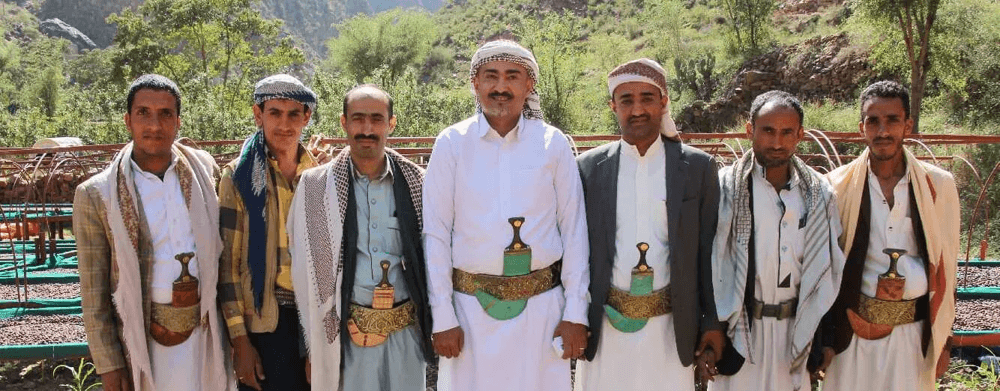

https://perfectdailygrind.com/2019/06/tracing-coffees-roots-back-to-al-mokha-yemen/

Yemeni coffee farmers in a mountainous region pose in front of raised drying beds of coffee cherries. Smallholder farmers like these maintain centuries-old cultivation traditions under very challenging conditions.

Yemen’s coffee story is one of proud heritage colliding with harsh realities. As the origin of the world’s first commercial coffee centuries ago, Yemen’s beans (often exported through the port of Mocha) were once synonymous with coffee itself. But after other regions began cultivating coffee, Yemen’s prominence waned. Decades of political turmoil and underinvestment further shrank its coffee sector. Today, producing Yemeni coffee is an act of resilience by many small-scale farming families, and the combination of limited supply and difficult production circumstances has made Yemeni coffee a luxury item in the coffee world.

Yemen’s Coffee Legacy and Rarity

Historically, Yemen was a powerhouse in coffee trading – in the 17th century, almost all coffee in Europe came from Yemen. The term “mocha” comes from Al-Mokha, the Yemeni port that once shipped beans globally. However, fast forward to the present and Yemen’s role is marginal. Yemen produces on the order of only 15–22 thousand metric tons of coffee per year, a drop in the bucket compared to millions of tons from countries like Brazil. In practical terms, Yemen’s output is minuscule: recent estimates put it at about 22,000 tons annually – truly tiny next to Brazil’s 3.6 million tons. This makes Yemeni coffee exceedingly rare on the world stage.

Several factors underlie this low volume. Coffee is cultivated in just 2.4% of Yemen’s arable land (≈35,000 ha), often on isolated mountain terraces. Nearly all Yemeni coffee is grown by smallholder farmers in remote villages rather than on large estates. The average grower tends only ~0.3 hectares of coffee (around 394 trees), yielding a mere 114 kg of coffee per farmer per year. Such a tiny scale of production per farm means there is inherently a very limited supply of beans. Moreover, a significant portion of Yemen’s limited harvest never leaves the country – by some accounts over 70% is consumed domestically, particularly in the form of the brewed husk drink Qishr. The few thousand tons that do get exported annually are snapped up primarily by regional buyers (especially in Saudi Arabia and other Gulf countries) with only a few hundred tons reaching Western markets. In summary, Yemen’s coffee is a rare commodity because the country produces very little, and much of that never enters global trade.

Rugged Terrain, Traditional Farming, and Low Yields

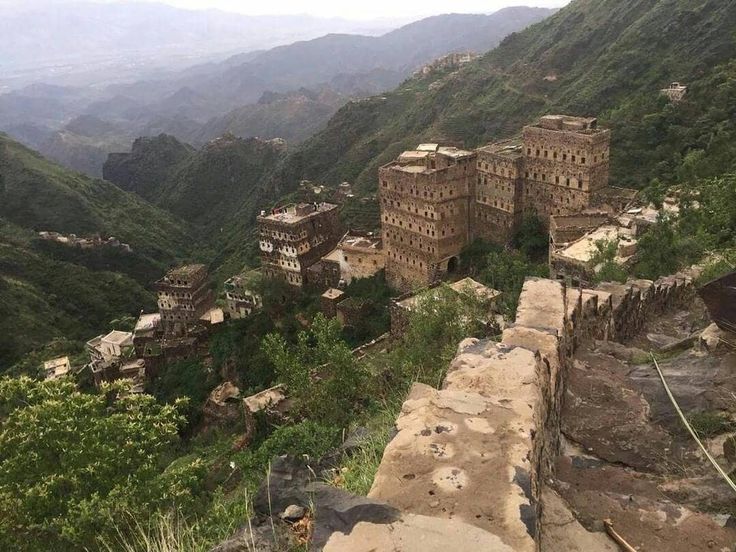
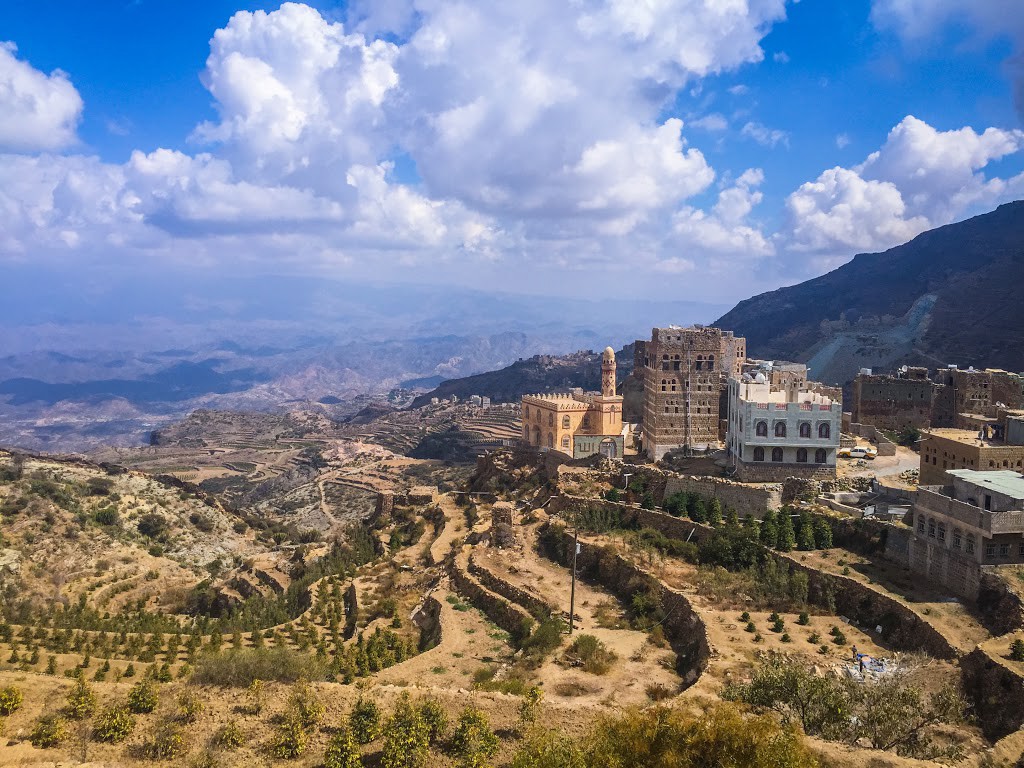
One reason Yemeni coffee production remains low is the extremely challenging environment in which it’s grown. Yemen’s coffee thrives in rugged highlands and valleys where modern agricultural expansion is difficult. Farms are situated on steep terraced mountainsides, an age-old method to utilize the vertiginous terrain. These terraces are often painstakingly hand-built and carved into arid cliffs. Rainfall in Yemen’s coffee regions is as low as 250–380 mm per year – far below the ~1,400 mm typical in other coffee-growing countries – so water is scarce. The coffee plants survive in what most agronomists would deem impossible conditions, sometimes literally among rocks and cacti on sun-baked slopes. Such harsh climate limits the cherries each tree can produce.
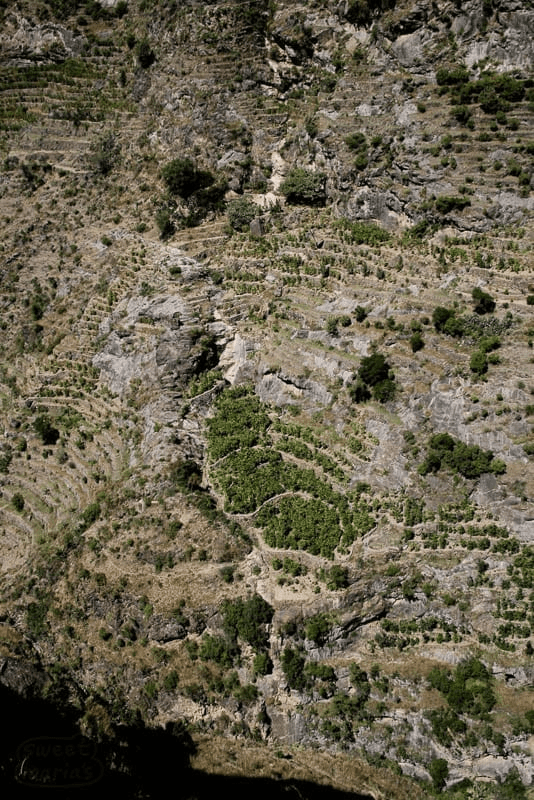


https://library.sweetmarias.com/yemen-citadels-of-harasi/

Terraced coffee farms in Yemen’s highlands. Green patches of coffee trees cling to steep, rocky mountainsides. Terracing allows cultivation on slopes but limits farm size and mechanization.

Because of the terrain, mechanization is nearly non-existent – there’s no way to bring tractors or machinery onto these narrow terraces. All farming tasks, from planting to harvesting, must be done manually. This inherently caps the amount of land that can be managed and the volume of coffee produced. The farming techniques are largely traditional: farmers rely on seasonal rains and use organic manure from animals for fertilizer. Chemical fertilizers and intensive irrigation are rarely used, either by choice (to preserve quality) or by necessity (due to cost and water scarcity). While this organic, low-input approach yields exceptional cup quality, it also means lower yields per tree. In Yemen, a coffee tree might produce only a fraction of what the same variety could yield in a wetter, flatter environment.

Labor is another constraining factor. Yemeni coffee farms are typically family-run; during harvest, family members pick the ripe cherries by hand. If a farm is larger or the harvest is abundant, additional local laborers are hired, but this significantly raises costs. Wages in rural Yemen vary, with some pickers paid a daily rate and others taking a share of up to 10% of the crop as compensation. Uniquely, it’s customary for farm owners to also provide workers with meals and even qat (a locally grown stimulant leaf) during harvest days. Feeding a harvest crew with food and qat is an added expense that farmers in other countries might not bear, and it further drives up the cost of production. All these difficulties result in very low productivity per farmer – which means the coffee that is successfully produced carries a higher intrinsic cost before it even leaves the farm.

High Production Costs on the Farm

Beyond low yields, the cost of producing coffee in Yemen is steep relative to the income it generates for farmers. Studies indicate that on average Yemeni coffee farmers must spend about 41–45% of their total coffee revenue just on production costs (tools, labor, irrigation, etc.). Nearly half the earnings from coffee are eaten up by the expenses of growing and processing it, leaving farmers with slim margins. By comparison, farmers in more industrialized coffee-growing countries often have lower cost-to-revenue ratios due to economies of scale and better infrastructure. In Yemen, however, each kilo of coffee is laboriously earned. The difficult geography means everything must be done by hand or simple tools. For instance, irrigation in some areas is done by hauling water from distant wells or ravines, and pruning or weeding on steep slopes is slow, back-breaking work. These inefficiencies contribute to higher costs per unit of coffee produced.

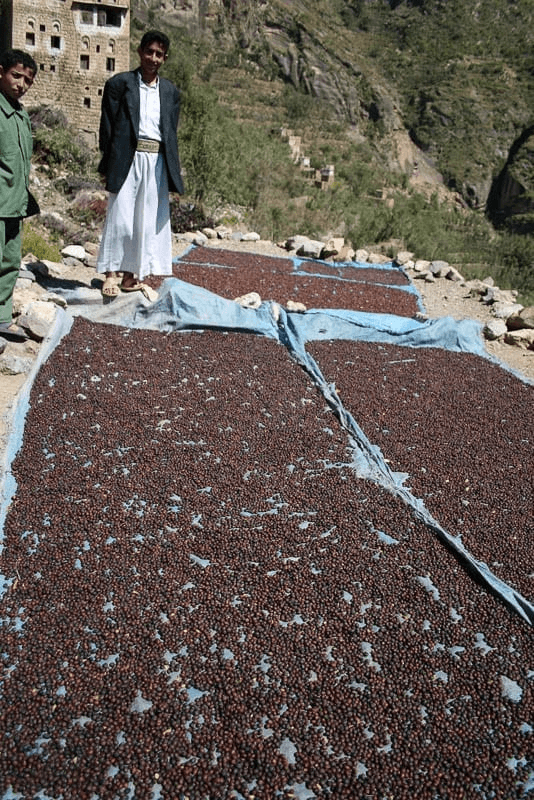
Another factor is the traditional processing method used in Yemen, which, while adding value, also involves extra labor and limits volume. Virtually all Yemeni coffee is naturally sun-dried (dry-processed) rather than washed. Farmers typically spread the picked coffee cherries out under the sun to dry for about 2 weeks. Given the lack of flat open space in mountain villages, they often use rooftops or small courtyards as improvised drying areas. This practice has two implications: first, it restricts how much coffee can be processed at once (roof space is limited, becoming a bottleneck), and second, it requires careful labor to regularly turn and monitor the cherries as they dry. In many Yemeni villages you’ll see burlap mats or tarps on rooftops covered in dark red-brown coffee cherries, drying in the sun – a striking image of traditional craft, but also a constraint on scale.


https://library.sweetmarias.com/yemen-citadels-of-harasi/

Freshly harvested coffee cherries drying in the Yemeni sun on a makeshift patio. Because flat space is scarce, farmers dry cherries on rooftops or tarps weighted down with rocks. This slow drying process (up to 2–3 weeks) is labor-intensive but preserves the coffee’s husk (Qishr) for separate sale.

When the cherries are fully dried, farmers or local millers hull them using simple mechanical mills (or even traditional millstones powered by donkeys in some cases). This yields the green coffee beans and also the dried husks. Notably, Yemeni farmers often sell dried cherries (called “Qishr coffee”) rather than just green beans, because the coffee husk is a valuable secondary product in Yemen. The dried husks are brewed into the local spiced drink Qishr, so they have their own market. By selling whole dried cherries, a farmer essentially sells two products in one – beans and husks – and can charge a bit more since the buyer (or middleman) will get both outputs. However, this approach can slightly compromise bean quality (traditional hulling methods sometimes reintroduce a bit of moisture to ease husk removal), and it underscores how every ounce of value is squeezed out of the small harvest. The intricate network of local collectors and traders who move these dried cherries from farms to processing centers also adds layers of cost. In each village, there’s usually a trader who aggregates coffee from nearby farmers. These middlemen are part of the fabric of Yemen’s coffee trade, often bound by family or tribal ties, and they take a cut for their role. The result is a complex chain from farmer to exporter, with each step adding to the final price of the coffee.

Crucially, many farmers in Yemen persist with coffee despite the challenges because of cultural heritage and the hope of high returns. They fondly call their coffee trees their “green gold” – some trees are centuries old and passed down through generations. But when coffee returns don’t keep up with costs and effort, farmers face tough choices. In recent decades (especially during the civil war and economic crisis), many farmers have switched from coffee to qat, a more immediately profitable cash crop. Qat (khat) chewing is ubiquitous in Yemen, and unlike coffee which must be exported or sold in specialty markets, qat has a ready local market and provides daily income. The shift to qat has further shrunk coffee production. It’s estimated that as conflict and poverty deepened, numerous coffee farmers abandoned their terraces to plant qat or basic food crops, since those offered quicker or more reliable payoffs. This trend exacerbates the scarcity of Yemeni coffee and means the burden is heavier on the farmers who remain – often older generations holding on to tradition. In sum, the internal production costs in Yemen are high and rising, and they directly limit how much coffee makes it to market, pushing prices upwards for the limited supply that does.

Conflict and Export Challenges

If growing Yemeni coffee is hard, getting it out of Yemen to global consumers is another monumental challenge that adds cost at every turn. Yemen has been engulfed in conflict since 2015, and the war has badly damaged infrastructure and normal economic activity. Transportation of coffee from remote mountain areas to ports became riskier, slower and costlier due to the conflict. Roads have been damaged or are punctuated by checkpoints. What used to be a simple drive can turn into a days-long ordeal, raising the expense for traders moving coffee to export hubs. Moreover, the country is effectively split between two rival administrations (the Houthi-controlled north and the internationally recognized government in the south), which means exporters face two sets of bureaucracies, regulations, and even duplicate taxation systems. For example, a coffee shipment might be taxed or need permits from authorities in Sana’a (north) and again by officials in Aden (south) before it can leave the country. This duplication and bureaucratic friction increase the cost of doing business, making Yemeni coffee less competitive and more expensive by the time it reaches a buyer abroad.

The primary ports for exporting coffee, such as Aden and Al Hudaydah, have also been impacted. At times, the port of Al Hudaydah (closest to many highland coffee regions) has been under blockade or heavy regulation due to the war, forcing more shipments to go through Aden or even overland to neighboring countries. Shipping companies label Yemen a “high risk” destination, which leads to hefty war-risk insurance premiums on cargo. In fact, insurance costs for vessels calling at Aden spiked to about 15 times the normal rate because of the conflict and incidents of attacks in the Red Sea. Those extra insurance fees – estimated at over $20 million per year for shipments to Yemen’s ports – inevitably get passed along in the cost of exported goods. Coffee exporters must pay higher freight and insurance, which inflates the price of Yemeni beans relative to safer origins. One recent analysis noted that after a series of Houthi attacks on shipping in late 2023, freight rates jumped by 50% for some routes, illustrating how volatile and costly logistics remain. Essentially, getting coffee out of Yemen involves expenses (security surcharges, rerouted transit, delays) that coffee from, say, Ethiopia or Colombia does not bear.

Additionally, Yemen’s fragmented financial system and international sanctions create payment and financing hurdles. Many Yemeni exporters cannot easily access global banking, and money transfers are complicated by sanctions on Yemeni banks. Without smooth trade financing, the cost of capital is high – traders often rely on cash or informal networks, which is inefficient. Meanwhile, the Yemeni currency (rial) has depreciated drastically during the war, so farmers paid in local currency have seen their earnings lose purchasing power. This means exporters must often pay higher prices to farmers (or in hard currency like USD) to incentivize coffee production at all, given domestic inflation. All these conflict-related factors – from paying multiple checkpoints and bribes, to doubled shipping insurance, to currency risk – pile onto the cost structure of Yemeni coffee. The FAO reports bluntly that the war “has severely increased the cost structure for all players along the coffee value chain”, making Yemeni coffee one of the most expensive origins to produce and export. In short, every bag of coffee leaving Yemen carries not just beans, but the added “cost of conflict” embedded in its price.

High Demand and Premium Prices

While supply has been constricted, demand for Yemeni coffee has surged in certain circles, further driving up its price. Specialty coffee roasters and enthusiasts around the world prize Yemeni coffee for its unique flavor profile and story. Yemeni beans are often described as having intense, complex notes – a mix of dried fruit, chocolate, spice, and even a wine-like quality – thanks to the heirloom varieties and natural processing. These flavor characteristics, coupled with the mystique of Yemen’s coffee history, make it a bucket-list coffee for many connoisseurs. With such limited quantities available, a classic supply-and-demand dynamic pushes the market prices high. Roasters who manage to secure Yemeni beans often market them as exclusive, small-lot offerings, sometimes priced by the cup as a luxury experience for consumers.

On the international stage, Yemeni coffee has been fetching record-breaking prices in recent years. Perhaps the most dramatic example is the Cup of Excellence-style auctions dedicated to Yemeni coffee. In the 2024 Best of Yemen auction, the top micro-lot sold for an astounding US $1,159 per kilogram – a new global benchmark for Arabica coffee. The average price across all lots in that auction was about $369/kg, which is still many times higher than typical specialty coffee prices. Such figures underscore the willingness of high-end roasters (particularly some from the Middle East and Asia) to pay a premium for the very best Yemen has to offer. These auction prices are outliers, of course, but even in general trade, green Yemen coffee can easily cost $20–$60 per pound (or more) for top grades, significantly above prices for comparable Ethiopian or Latin American coffees. For example, one specialty importer noted that Yemeni beans often sell at two to three times the price of Ethiopian beans of similar quality, simply because demand outstrips the tiny supply.

It’s not just international buyers – regional demand adds to the competition for Yemen’s coffee. Saudi Arabia, the United Arab Emirates, and other Gulf countries import a large share of Yemen’s coffee and are culturally willing to pay high prices for it. In Saudi Arabia, serving Yemeni coffee is seen as a status symbol linking to an Arab heritage, and wealthy buyers are keen on securing the best Yemeni beans. This regional appetite, combined with the Western specialty market, means that virtually every bean Yemen produces has a ready buyer. Even the coffee husks (for Qishr) are exported; Saudi Arabia imported over $2 million worth of Yemeni husks in 2019. Thus, nothing goes to waste and everything commands a price.

On the consumer end, a coffee lover might wonder why a cup of Yemeni pour-over at a café can cost double or triple the norm. The answer lies in the compounded effects we’ve discussed: extremely limited supply, high farm costs, conflict-driven export costs, and intense demand. All these translate to a high green bean price, which then reflects in the retail cup price. From another perspective, the premium price is also what enables Yemeni farmers (those who remain in coffee) to keep going. A portion of specialty buyers make a point to pay more to Yemeni producers, aware that without economic incentive, more farmers might abandon coffee. For instance, some Yemeni exporters and partnerships with Western roasters ensure farmers receive well above commodity prices (sometimes paying $6–$10 per pound to farmers when commodity coffee trades at barely ~$1 per pound), to make coffee farming viable. While much of the final retail price still goes to covering the myriad middle costs, the high prices have at times begun to trickle a better share back to the farm level, especially in direct-trade models. Still, it remains true that Yemeni coffee is among the most expensive in the world because of the convergence of scarcity and quality – a classic recipe for a luxury product.

Recent Developments and Outlook

Despite all the challenges, there are signs of hope for Yemeni coffee, and these will influence its cost and availability in the future. In recent years, various organizations and entrepreneurs have launched initiatives to revitalize Yemen’s coffee industry. Development programs by groups like the FAO and USAID, and local efforts by the Yemeni government, are aimed at distributing better farming tools, improving nursery stock, and providing training to coffee growers. The focus is on helping farmers increase yields and quality (for example, introducing improved irrigation techniques, or establishing cooperative-owned processing facilities to enhance efficiency). If successful, these efforts could gradually raise production volumes and lower some costs per unit – though scaling up in Yemen’s terrain will likely remain slow and incremental.

Crucially, the discovery of a new genetic strain of Arabica in Yemen, dubbed “Yemenia”, in 2020 has generated excitement in the specialty coffee world. Yemenia is a distinct lineage of coffee that researchers found among Yemeni varieties – it has shown excellent cup quality and could offer broader genetic diversity for Yemen’s coffee (potentially translating to disease resilience or better yields in the long term). Some in the industry hope that promoting such unique varieties can further justify premium prices while also possibly improving output if the plants are hardy. Additionally, Yemen’s coffee trees have demonstrated a notable resilience to extreme conditions – as noted, they survive on minimal water and in hot, arid climates. This resilience is drawing interest as climate change threatens coffee crops in wetter regions; Yemen’s ancient cultivars might hold keys to breeding drought-resistant coffee. In the future, this could attract research investment or partnerships that benefit Yemeni farmers.

On the political front, any easing of the conflict will directly help coffee exporters and farmers. A reduction in violence or a political settlement would likely reopen internal roads, reduce checkpoints, and lower the war-risk surcharges on shipping. Indeed, there was a fragile ceasefire in 2022–2023 that, while not a full peace, did allow slightly better movement of goods. As of late 2025, the conflict has calmed compared to its peak, though a lasting resolution is still elusive. Optimistically, if peace were achieved, one could imagine a significant drop in export costs – insurance premiums would fall, ports could operate at full capacity, and international aid might pour in to rebuild infrastructure including coffee processing facilities. This could make Yemeni coffee somewhat less expensive (or at least more of it available at the same cost). The export revenues have already shown some uptick when conditions allow – for example, Yemen’s coffee exports were valued at about $20 million in 2020, rising to $27.6 million in 2021 as some new export channels opened. This is still tiny globally, but it shows latent potential if circumstances improve.

That said, even in a best-case scenario, Yemeni coffee is likely to remain a niche, premium product. The country simply cannot produce coffee at the volume of other nations due to geography, and there is strong internal demand for what is grown. For roasters and coffee companies, Yemeni coffee will continue to be a specialty offering – one that carries a higher cost but also a compelling narrative and flavor. Many argue that the high cost is justified: it supports the preservation of a unique coffee culture and rewards farmers for overcoming hardships to bring an exceptional product to market. Coffee lovers, meanwhile, may see the price of Yemeni coffee as the price of authenticity and rarity – akin to a vintage wine from a famed but small vineyard.

Conclusion

In conclusion, Yemeni coffee is rare and expensive because of a perfect storm of limiting factors. On the supply side, tiny family farms on difficult terrain yield very small quantities, and high production costs – from manual labor to water scarcity – mean each pound of coffee is hard-won. Layer onto that the impacts of war and export hurdles (infrastructure damage, double taxation, elevated shipping costs), which further constrain how much coffee gets out and add expense at every step. Meanwhile, on the demand side, coffee aficionados covet Yemen’s beans for their unique quality and history, and regional buyers compete to secure them, driving prices into a premium range. Essentially, Yemen’s coffee has become a luxury good: it’s the product of intense scarcity and exceptional character. For the industry audience, understanding these factors is key to appreciating why a bag of Yemeni coffee might cost so much more – the price tag reflects an entire chain of challenges and efforts from the village in Yemen to the roastery abroad. And for coffee lovers savoring a cup, that high cost translates into a one-of-a-kind experience, rooted in one of the oldest coffee traditions on Earth. Yemeni coffee truly carries the cost of its journey – a journey that is as arduous as it is remarkable, infusing every sip with a story of resilience and heritage.

Sources: The information in this report is supported by data and reports from the United Nations FAO, field narratives from coffee travelogues, as well as insights from coffee industry experts and Yemeni coffee exporters. These sources document the economic breakdown of Yemen’s coffee value chain, the impact of Yemen’s civil war on farming and trade, and the record-breaking prices fetched by Yemeni coffee in recent auctions. Together, they paint a comprehensive picture of why Yemeni coffee is both scarce and highly priced in today’s market.
continue reading...

Jan 2026

Artical

Why Geisha Tastes Nothing Like Bourbon or SL28

Coffee isn’t just defined by its origin or roast – the genetic variety of the bean plays a huge role in how it tastes. Think of wine grapes: a Chardonnay and a Pinot Noir from the same vineyard will still taste different because of their genetics. The same goes for coffee. Certain varieties are famous for signature flavors: for example, Bourbon is often praised for its sweetness, while Geisha is celebrated for delicate, tea-like qualities. Of course, flavor isn’t only about variety; factors like where it’s grown (terroir) and how it’s processed also influence the taste. But tasting a Geisha next to a Bourbon makes one thing clear – the bean’s DNA can create a world of difference in the cup.


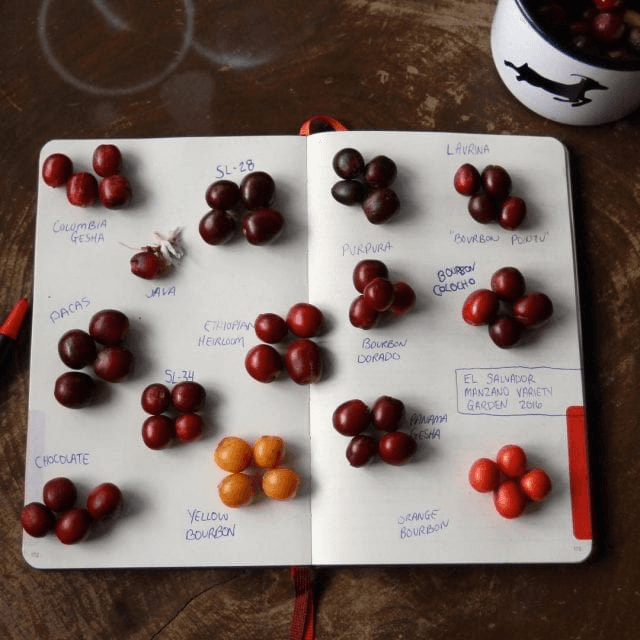
https://perfectdailygrind.com/2017/08/geisha-vs-bourbon-a-crash-course-in-coffee-varieties/

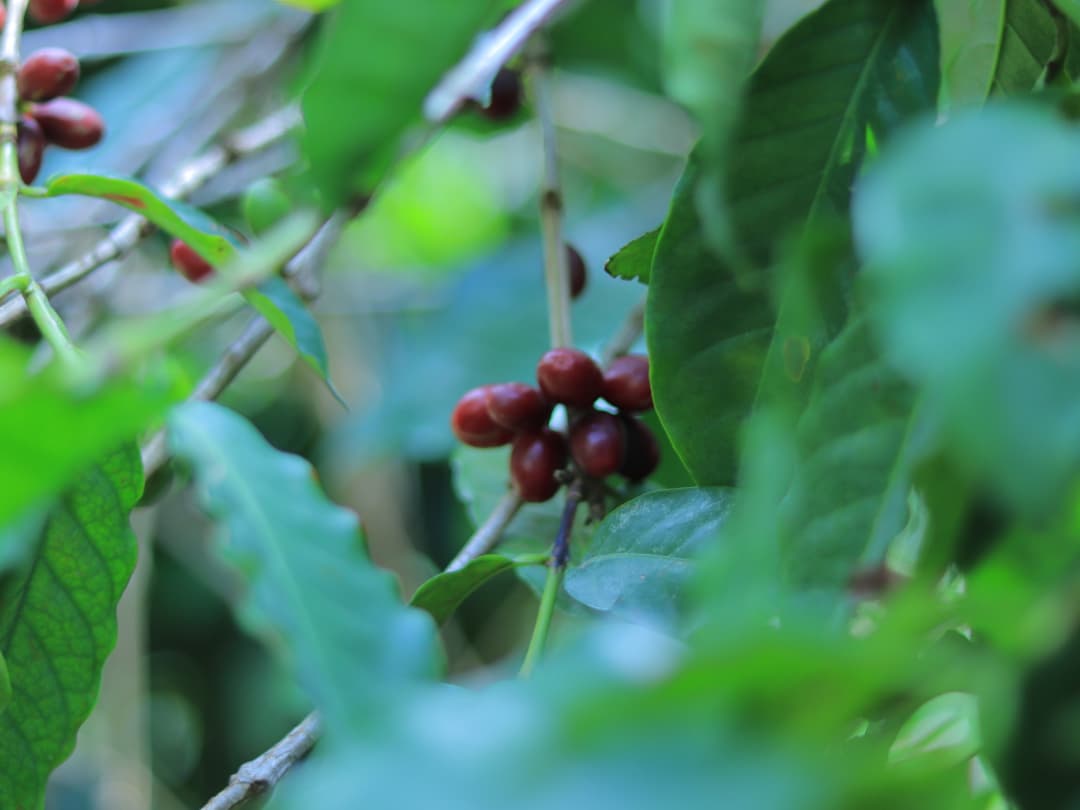
Cherries from different coffee varieties can even look different. Each variety – Geisha, Bourbon, or SL28 – carries its own unique flavors and story. For instance, some Bourbon strains have yellow or orange cherries, while others like SL28 have deep red fruit. These visual cues hint at the distinct genetic makeup that contributes to the diverse taste profiles of each variety.

In specialty coffee, knowing the variety is key. Roasters pay attention to it because it affects how the beans roast and what flavors they develop. Let’s dive into three renowned Arabica varieties – Geisha, Bourbon, and SL28 – and see why each tastes so distinct.

Geisha: Floral Elegance in a Cup

Geisha (also spelled Gesha) is the coffee world’s superstar variety, known for its stunningly floral and tea-like cup profile. Originally, this variety was a wild Ethiopian landrace from the Gesha village in Ethiopia. It remained obscure until the early 2000s, when a Panamanian farm (Hacienda La Esmeralda) cultivated it at high altitude and wowed the world by winning the 2004 Best of Panama competition. Since then, Geisha has become synonymous with coffee excellence and can fetch record-breaking prices at auction.

  • Flavor Profile: Often described as “perfume-like”, Geisha boasts jasmine-like florals, delicate tea notes, and bright citrus or stone fruit sweetness. In the best Geisha coffees, you might taste bergamot, peach, or mango wrapped in an elegant, silky body – a flavor experience more akin to an Ethiopian coffee or fine tea than a typical Central American coffee. No wonder many describe Geisha as “complex yet delicate” in the cup.

  • Origin & Story: Hailing from Ethiopia, Geisha was brought to Central America decades ago, valued for its disease resistance, but stayed under the radar until Panama’s success story. Its rise to fame in Panama showed that genetics + terroir can unlock amazing flavors – Geisha grown in Panama’s high-altitude, volcanic soil revealed the variety’s full potential (flavors reminiscent of Ethiopian heirloom coffees, but grown in Latin America). This shockingly unique profile put Geisha on every coffee professional’s map.

  • Growing Traits: Geisha plants are finicky. They thrive at high elevations (generally above 1,400 m) and need specific conditions to express their best flavors. The trees are tall and have low yields – meaning they don’t produce a lot of cherries, but the ones they do produce are treasured. Geisha is also sensitive to climate and soil; many farmers outside of ideal conditions have struggled with this variety. When it all comes together, though, the reward is a coffee that routinely scores 90+ points and leaves a lasting impression.

Geisha’s hallmark is its floral elegance. Sip a Geisha and you’re likely to get notes of jasmine blossom and sweet citrus that you simply won’t find in a Bourbon or SL28. It’s a variety that shows how extraordinary coffee can be when the right genetics meet the right environment.

Bourbon: The Classic Sweet Cup

If Geisha is the exotic star, Bourbon is the beloved classic. Bourbon is one of the oldest and most influential coffee varieties in the world, known for its balanced sweetness and hearty, crowd-pleasing flavors. It originated in Ethiopia (like all Arabica) and was spread to Yemen, then to the French-controlled island of Bourbon (Réunion) in the Indian Ocean in the 1700s. From there, it traveled to the Americas in the 19th and early 20th centuries, becoming a foundation of Latin American coffee agriculture.

  • Flavor Profile: Sweet and complex are the watchwords for Bourbon. This variety often produces a round, full-bodied cup with notes of caramel or chocolate, gentle fruit undertones (like berries or stone fruit), and a smooth, balanced acidity. In other words, Bourbon tends to taste “classic” – think soft fruit sweetness, nuttiness, and chocolatey depth in harmony. It’s not as flamboyant as a Geisha, but a good Bourbon can be extraordinarily satisfying with its sugar-browning sweetness and clean finish. Many coffee drinkers love Bourbon for its approachable, “everyday luxury” flavor profile.

  • Origin & Legacy: Named after Bourbon Island (now Réunion), this variety was cultivated by the French and then spread widely to Africa and the Americas. It became a parent to countless other varieties – many modern cultivars (like Caturra, Catuai, Pacas) are Bourbon mutations or hybrids, which speaks to Bourbon’s importance. Bourbon itself comes in different cherry colors (most commonly Red, but also Yellow and even Pink Bourbon), though the cup quality is similar among them. The variety flourishes in high altitudes and, when grown with care, has excellent cup quality – it’s often described as sweet and complex with bright acidity when cultivated in ideal conditions.

  • Growing Traits: Bourbon plants are considered high-quality but moderate-yield. They are not very resistant to diseases like leaf rust or pests (one reason farmers developed hybrids from it). Bourbon trees tend to be relatively tall (being a natural mutation of the older Typica variety) and reward farmers with better cup quality at higher elevations. However, they can be challenging to grow due to their susceptibility to diseases and generally lower productivity compared to newer hybrids. Despite these challenges, many farmers still cultivate Bourbon for its cup flavor – it’s that good.

In the cup, Bourbon delivers comforting sweetness and balance. It won’t hit you with Geisha’s jasmine florals or SL28’s blackcurrant snap. Instead, a Bourbon might give you milk chocolate, gentle fruit, and a silky body – the kind of coffee that’s easy to love. It’s no surprise Bourbon has been a backbone of specialty coffee for so long.

SL28: Kenya’s Bright Treasure

SL28 is a variety that showcases the power of environment and selection on a coffee’s character. Developed in Kenya in the 1930s, “SL” stands for Scott Laboratories, the organization that selected this variety during the colonial era. SL28 has since become legendary among coffee pros for the vibrant, punchy flavors it brings – especially the famous blackcurrant and citrus notes often found in high-grade Kenyan coffees.

  • Flavor Profile: If you’ve ever had a top-notch Kenya coffee, you know the profile – intense, juicy acidity (think grapefruit or lemon brightness), deep sweet notes of blackcurrant or berry, and even tomato-like or savory undertones. SL28 exemplifies this. It shares some DNA with Bourbon, and thus can have Bourbon’s sweetness and complexity, but with amped-up acidity and a heavier, syrupy body. Many describe SL28 coffees as bold and fruity, sometimes even “funky” or winey in their complexity. In short, SL28 tastes nothing like a gentle Bourbon – it’s typically brighter and more flamboyant in the cup, often bursting with currant, citrus, and tropical fruit flavors.

  • Origin & Development: SL28 was selected in Kenya as part of a breeding program aiming for drought-tolerant, high-quality coffee varieties. It is actually genetically related to Bourbon (one reason it can have great sweetness), but it was isolated and propagated for traits suited to Kenya’s climate. The variety thrived in Kenya’s high-altitude, volcanic soil growing regions, which helped give Kenyan coffee its signature acidity and blackcurrant flavor. For decades, SL28 (and its sibling SL34) were mostly unique to Kenya’s farms, but in recent years farmers in other countries (Latin America, etc.) have started planting small lots of SL28 to see if they can capture that magic.

  • Growing Traits: SL28 is appreciated by farmers for being drought-tolerant and capable of excellent cup quality. It produces a decent yield and can handle periods of lower rainfall – a useful trait in certain climates. However, it is susceptible to common diseases (like coffee leaf rust), which is one reason it hasn’t replaced more resilient varieties on a large scale. On a farm, SL28 trees can grow tall and have bronze-tipped leaves when young (a quirk of some Bourbon-descended varieties). They yield cherries that, when processed with care, become those vibrant coffees that command high prices at auctions. It’s worth noting that processing method can influence SL28’s cup: a classic washed-process Kenya SL28 is celebrated for clarity and bright acidity, whereas experimental naturals or fermentations can introduce even more fruity “funk” to the flavor.

In a lineup, SL28 stands out. Its coffee often has a juicy, mouthwatering acidity and bold fruit character that make taste buds sit up and take notice. Next to a Geisha or Bourbon, an SL28 coffee can feel like the loud extrovert of the group – louder acidity, unmistakable blackcurrant/berry flavors, and occasionally a savory depth (that “Kenyan tomato” note) that the others don’t have. It’s a reminder that even within the Arabica species, varieties can surprise us with unique flavor twists.

Genetics, Terroir & Processing: A Flavor Trio

So, why exactly does a Geisha taste nothing like a Bourbon or an SL28? It comes down to a three-way interplay of genetics, terroir, and processing. The genetics (the variety’s DNA) set the stage for what flavors are possible. Terroir – the environment where the coffee is grown – acts as the stage itself, influencing how those flavors develop. And processing (how the coffee cherry is processed after harvest) is like the directorial touch that can emphasize or mellow certain notes.

  • Genetics (Variety): The variety is the coffee’s blueprint. Just as a Chardonnay grape brings different flavor potential than a Cabernet, a Geisha bean contains different compounds and structures than a Bourbon or SL28. This is why, even when grown side-by-side, varieties express distinct flavor profiles – Geisha’s genes predispose it to floral, tea-like notes, Bourbon’s to sweetness and balance, and SL28’s to bold acidity and blackcurrant. In other words, what’s in the seed matters. As one source puts it, “Terroir sets the stage, but the bean type determines how that stage is used.” A Geisha and a Bourbon in the same soil will each interpret that soil differently through the lens of their genetics.

  • Terroir (Environment): Where a coffee grows dramatically affects how it tastes. Altitude, climate, and soil composition all shape the bean. Higher elevations, for instance, slow down bean maturation, often leading to more acidity and complexity – this benefits varieties like Geisha and SL28 which thrive in such conditions. Rich volcanic soils (common in places like Kenya, Ethiopia, Central America) can contribute to vibrant flavors and acidity in the cup. Terroir is why a Panamanian Geisha blew minds: it carried Ethiopian-like floral flavors because the high-altitude Panama terroir allowed the Geisha genetics to shine. Meanwhile, Bourbon grown in, say, Burundi or Colombia will reflect those soils and climates – often yielding chocolatey or fruity sweetness typical of those origins. Terroir works hand in hand with genetics: a great variety still needs the right environment to reach its flavor potential.

  • Processing: After harvest, the way coffee is processed (washed, natural, honey, etc.) can accentuate or modify flavors. For example, washed process tends to produce a cleaner, brighter flavor – a washed SL28 from Kenya will scream with bright acidity and currant clarity. In contrast, a natural process (drying the whole cherry) can amplify fruity and winey notes – if you took the same SL28 and processed it naturally, you might get even bigger berry flavors and some funky undertones. Processing can thus make a variety’s signature more pronounced or tone it down. A washed Geisha will highlight its jasmine clarity, while a natural Geisha might introduce more tropical fruit ferment notes on top of the florals. Roasters and farmers often experiment with processing to see how it complements the inherent traits of the variety.

In the end, each variety is a story of origin and adaptation. Geisha tells the story of an Ethiopian highland coffee that found a second home in Panama’s terroir, dazzling us with flavors no one expected outside Africa. Bourbon’s story is one of widespread cultivation – from its Ethiopian roots to islands and new continents – always offering a dependable sweetness across environments. SL28’s tale is one of intentional selection in Kenya, marrying Bourbon-like sweetness with the local climate to create something uniquely Kenyan. Genetics gave them their distinct identities, terroir shaped their accents, and processing/refinement by farmers and roasters brought their best to your cup.

A Final Sip

Tasting a Geisha vs. a Bourbon vs. an SL28 side by side can be a revelation. It’s hard to imagine they’re all Coffea arabica – the Geisha might present like an elegant jasmine tea, the Bourbon like a rich dessert, and the SL28 like a tangy fruit punch. This striking contrast is exactly why coffee varieties matter. Each variety carries a piece of history and a set of flavor possibilities, and when you brew them, you’re experiencing that unique combination of genetics, place, and process. As one coffee expert succinctly said, that’s why an Ethiopian heirloom, a Colombian Bourbon, and a Kenyan SL28 “all taste so different — each variety tells a story of its origin”. So the next time you’re roasting or brewing, pay attention to that variety name on the bag. It just might explain why your coffee tastes oh-so floral, or sweet, or sparklingly tart – and it’s a reminder of the diversity that makes specialty coffee so wonderful.

continue reading...

Jan 2026

Artical

Who Was the First People to Drink Coffee Like We Do Today?

Coffee is one of the world’s favorite beverages today, enjoyed daily by millions. But it hasn’t been part of the human diet forever – there was a time when no one had ever brewed a cup of coffee. So who were the first people to actually drink coffee as a brewed beverage, the way we do now? To find the answer, we need to take a short journey back in time, exploring both legend and recorded history.

Legendary Origins in Ethiopia

The story of coffee’s discovery often begins in the highlands of Ethiopia. According to popular legend, a 9th-century Ethiopian goatherd named Kaldi noticed his goats acting especially energetic after nibbling on the red berries of a wild shrub. Curious, Kaldi tried the berries himself and felt a surge of vitality. As the tale goes, he brought these strange berries to a nearby monastery. There, a skeptical monk tossed them into the fire – only to draw the entire monastery’s attention when a rich, enticing aroma filled the air. The monks raked the roasted beans from the embers, ground them up, and dissolved them in hot water, accidentally yielding the world’s first cup of coffee. This delightful brew helped the monks stay alert through long hours of prayer. While this Kaldi and the dancing goats story is almost certainly apocryphal (it wasn’t written down until 1671, centuries after it supposedly occurred), it remains a charming illustration of how early people might have discovered coffee’s energizing effect.

What do we know beyond legend? Ethiopia is indeed the native home of the coffee plant (Coffea arabica), and the Oromo people of Ethiopia’s Kaffa region are believed to have recognized coffee’s stimulating properties long ago. However, the earliest uses of coffee in Ethiopia likely didn’t involve brewing a drink from roasted beans. Historical evidence suggests that people originally consumed coffee in other forms – for example, by chewing the ripe coffee cherries or grinding the beans and mixing them with animal fat to make an energy-rich paste or snack. In Ethiopia and Yemen, it was also common to brew a sort of tea from the coffee plant’s husks (called qishr in Yemen), long before brewed coffee as we know it became popular. All of these preparations gave people a caffeine boost, but not in the form of a hot brewed beverage like our modern cup of joe. So, who first had the idea of roasting the beans and brewing them into a drink? For that, we must look across the Red Sea to the Arabian Peninsula.

Brewing the First Cup in Yemen

By most historical accounts, the first people to roast coffee beans and brew them into a drink were the Sufi Muslim communities of Yemen in the 15th century. Yemen lies just across the Red Sea from Ethiopia, and it was here that coffee seeds (originally brought over from East Africa by traders) were cultivated and transformed into the beverage we recognize today. In fact, as one source succinctly puts it, “drinking coffee as a beverage seems to have originated in Yemen in the 15th century in the Sufi shrines. It was there that the coffee berries were first roasted and brewed in a way similar to how the drink is prepared today.”

These early Yemeni coffee drinkers were Sufi monks and scholars – Islamic mystics who found coffee extremely useful in their spiritual practice. The Sufis discovered that the invigorating drink helped them stay awake and focused during long nights of prayer and meditation. By the late 1400s, Sufi circles in Yemen’s highlands were harvesting coffee beans, roasting them, and brewing the infusion to fuel their nighttime devotions. They even poetically referred to coffee as “qahwa,” an Arabic term that had also meant wine – hence coffee earned the nickname “The Wine of Arabia” in those early years.


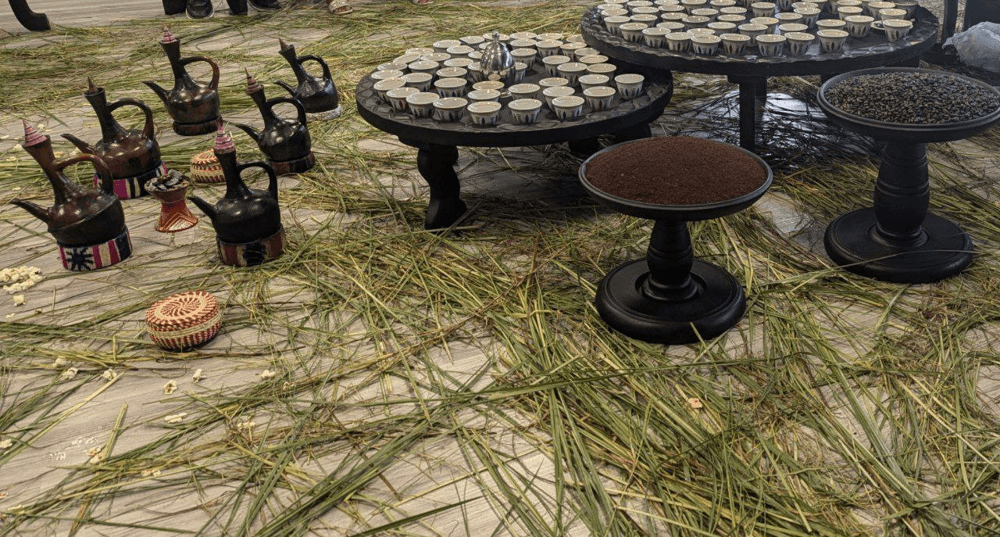
https://commons.wikimedia.org/wiki/File:Ethiopian_Coffee_Ceremony_Set.jpg

Traditional Ethiopian coffee ceremony setup, with a clay jebena pot and small cups. While coffee’s origin is Ethiopian, brewing the roasted beans into a drink became a tradition that flourished in Yemen’s Sufi monasteries.

Intriguingly, written records from the 15th–16th centuries give us specific clues about coffee’s first adopters. A prominent Arab historian named Abd al-Kadir al-Jaziri, writing in the 1580s, traced the spread of coffee and noted that a Yemeni Sufi scholar – Sheikh Jamal al-Din al-Dhabhānī, the mufti of Aden – was reportedly “the first to adopt the use of coffee (circa 1454)”. Al-Dhabhānī found that coffee drove away fatigue and lethargy, bringing him a alertness and vigor, which explains why it caught on among those with long hours of nighttime worship. In other words, by the mid-15th century in Yemen, people were regularly roasting coffee beans, grinding them, and boiling them to make a stimulating drink – essentially the same fundamental process we use to make coffee today.

It’s worth noting that Yemen has its own colorful legends about coffee’s origin that parallel the Kaldi tale. One popular Yemeni story credits a Sufi holy man, Ali ibn Omar al-Shādhilī (Sheikh Omar), with brewing the first cup of coffee around the 15th century. According to this legend, Sheikh Omar was exiled to a desert cave and, on the brink of starvation, he tried eating some wild coffee berries. Finding them bitter and hard, he roasted the beans in a fire, then boiled them in water to soften them – yielding a fragrant brown liquid that revitalized him. This “miraculous” drink sustained Omar for days, and when news of it reached the nearby city of Mocha, he was welcomed back from exile and even made a saint. Like most legends, the details of the story vary, but it aligns with the idea that Yemen’s mystics were among the first to unlock coffee’s secret as a brewed beverage.

From Yemen to the World


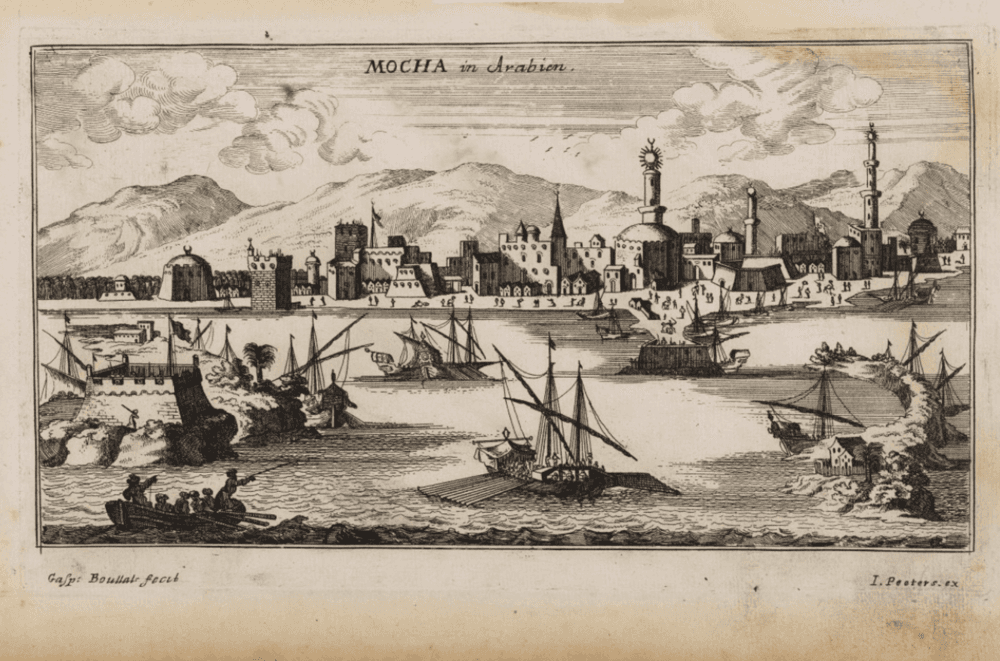
https://commons.wikimedia.org/wiki/File:Mocha1692.jpg

17th-century engraving of the port of Mocha, Yemen (circa 1690). Mocha was the hub of the early coffee trade, from which Yemen exported coffee beans – often already roasted – to prevent their cultivation elsewhere.

Once the Yemeni Sufis had established coffee as their beverage of choice, the practice of coffee drinking spread rapidly. By 1414, coffee was known in the holy city of Mecca, and by the early 1500s it had reached Cairo and other parts of Egypt and North Africa via Yemeni traders. Public coffee houses (called qahveh khaneh) began springing up in cities like Cairo and Damascus in the early 16th century, where people gathered to sip coffee and socialize – much as we might in a café today. The vibrant port of Mocha in Yemen became the world’s first center of the coffee trade. Throughout the 16th and 17th centuries, Mocha was virtually the only source of coffee for international markets, as the Yemeni exporters tightly guarded their prized crop (in fact, for a long time they forbade unroasted coffee beans from leaving the country, to ensure nobody else could plant them). From Mocha, the habit of coffee drinking traveled along trade routes to the Ottoman Empire, reaching Istanbul by the 1550s, and then onward to Europe by the 17th century. Europeans enthusiastically adopted coffee in their own cafes, ensuring that what began as a local custom in Yemen would become a global phenomenon in the centuries to follow.

In summary, the first people to drink coffee in a brewed form – much like we enjoy it today – were the Sufi mystics of 15th-century Yemen. While Ethiopia gave the world the coffee plant (and inspiring legends of dancing goats), it was in Yemen that coffee was first roasted, brewed, and consumed as a hot beverage. The Yemeni Sufis adopted coffee to help them stay awake during prayers, unwittingly sparking a caffeine-fueled social revolution. From those humble beginnings in Yemeni monasteries, the love of coffee spread across the Middle East and then around the globe. Next time you enjoy your morning cup, you can remember the curious monks and mystics – from the Ethiopian highlands to the Yemeni shrines – who first pioneered the cup of coffee as we know it today.

continue reading...

aerial photography of forest

Looking for a long-term origin partner?

We work with a limited number of roasters each season to ensure depth, not volume.

© 2026 SŌVD

We are on Jeddah

Website done by Mjeed Alraya

aerial photography of forest

Looking for a long-term origin partner?

We work with a limited number of roasters each season to ensure depth, not volume.

© 2026 SŌVD

We are on Jeddah

Website done by Mjeed Alraya

aerial photography of forest

Looking for a long-term origin partner?

We work with a limited number of roasters each season to ensure depth, not volume.

© 2026 SŌVD

We are on Jeddah

Website done by Mjeed Alraya